
Revolutionizing Farming with Technology
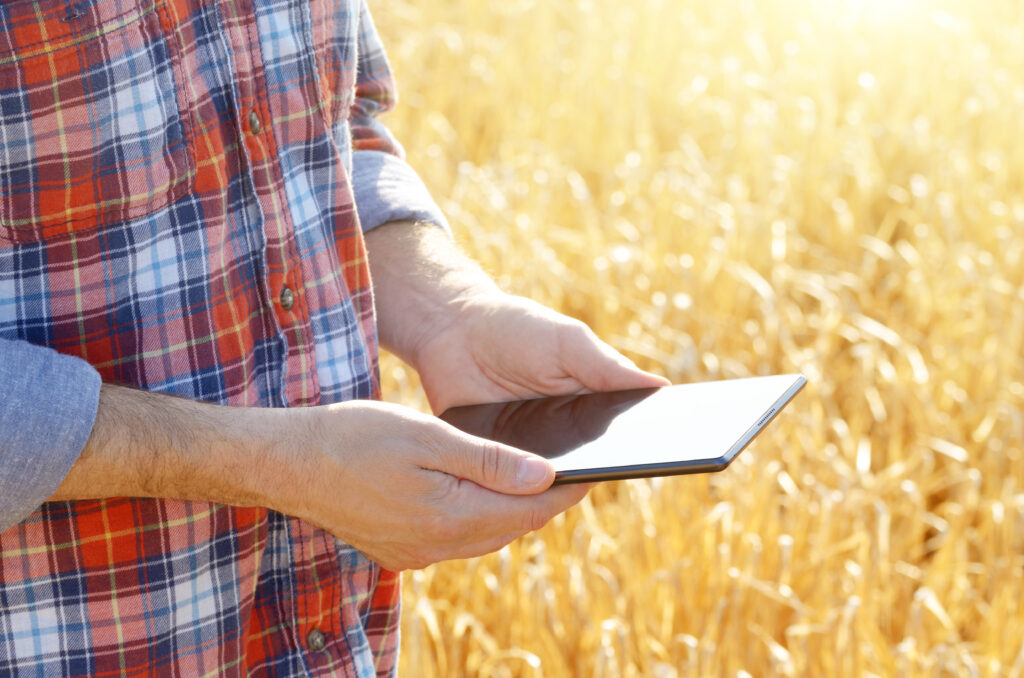
Transforming Agriculture for a Sustainable Future
In the face of growing global populations, climate change, and food security concerns, the agricultural sector is undergoing a major transformation. Technology is playing a pivotal role in revolutionizing farming practices—making them more efficient, data-driven, and sustainable than ever before.
The Rise of Smart Farming
Smart farming, also known as precision agriculture, utilizes digital tools and data analytics to optimize crop production. Farmers can now monitor soil conditions, water usage, and plant health using IoT sensors, drones, and satellite imagery. These technologies enable real-time decision-making that maximizes yield while minimizing resource waste.
For example, smart irrigation systems automatically adjust water flow based on weather conditions and soil moisture levels, reducing water consumption by up to 50%. Nutrient dosing systems (fertigation) ensure that crops receive the exact amount of nutrients they need—no more, no less.
Data-Driven Decision Making
With the integration of AI and big data, farmers can predict disease outbreaks, forecast harvest times, and even simulate the outcomes of different planting strategies. Platforms powered by machine learning can analyze years of climate, soil, and crop data to recommend the best farming practices for each unique environment.
This shift from intuition to information helps reduce crop failure risks, improve profitability, and ensure food quality and safety.
Robotics and Automation
Robotics are increasingly being adopted to handle labor-intensive tasks such as planting, harvesting, and weeding. Autonomous tractors, robotic arms, and harvesters are not only speeding up operations but also compensating for labor shortages in rural areas.
Moreover, drone technology is transforming how farmers scout fields, apply pesticides, and track crop growth, reducing the need for manual labor and exposure to harmful chemicals.
Climate-Smart Agriculture
Technological innovation is also a key enabler of climate-smart agriculture. Greenhouses equipped with environmental control systems, solar-powered irrigation, and AI-based pest detection are helping farmers adapt to climate variability.
These systems reduce greenhouse gas emissions and increase resilience against extreme weather conditions, ensuring food production remains stable in uncertain climates.
Empowering Smallholder Farmers
Importantly, the technology revolution in farming isn’t just for large-scale commercial operations. Mobile apps, affordable sensors, and cloud-based platforms are empowering smallholder farmers in developing countries with access to market prices, weather forecasts, and expert advice—bridging the digital divide in agriculture.
The Future is Now
The future of agriculture is high-tech, sustainable, and inclusive. As technology continues to evolve, it holds the promise of feeding the world more efficiently while protecting the planet. From smart greenhouses to AI-powered farming assistants, the tools that once seemed futuristic are now becoming essential.
The revolution in farming is not coming—it’s already here. And with it comes a new era of innovation, resilience, and opportunity for farmers around the globe.
 Indonesian
  English